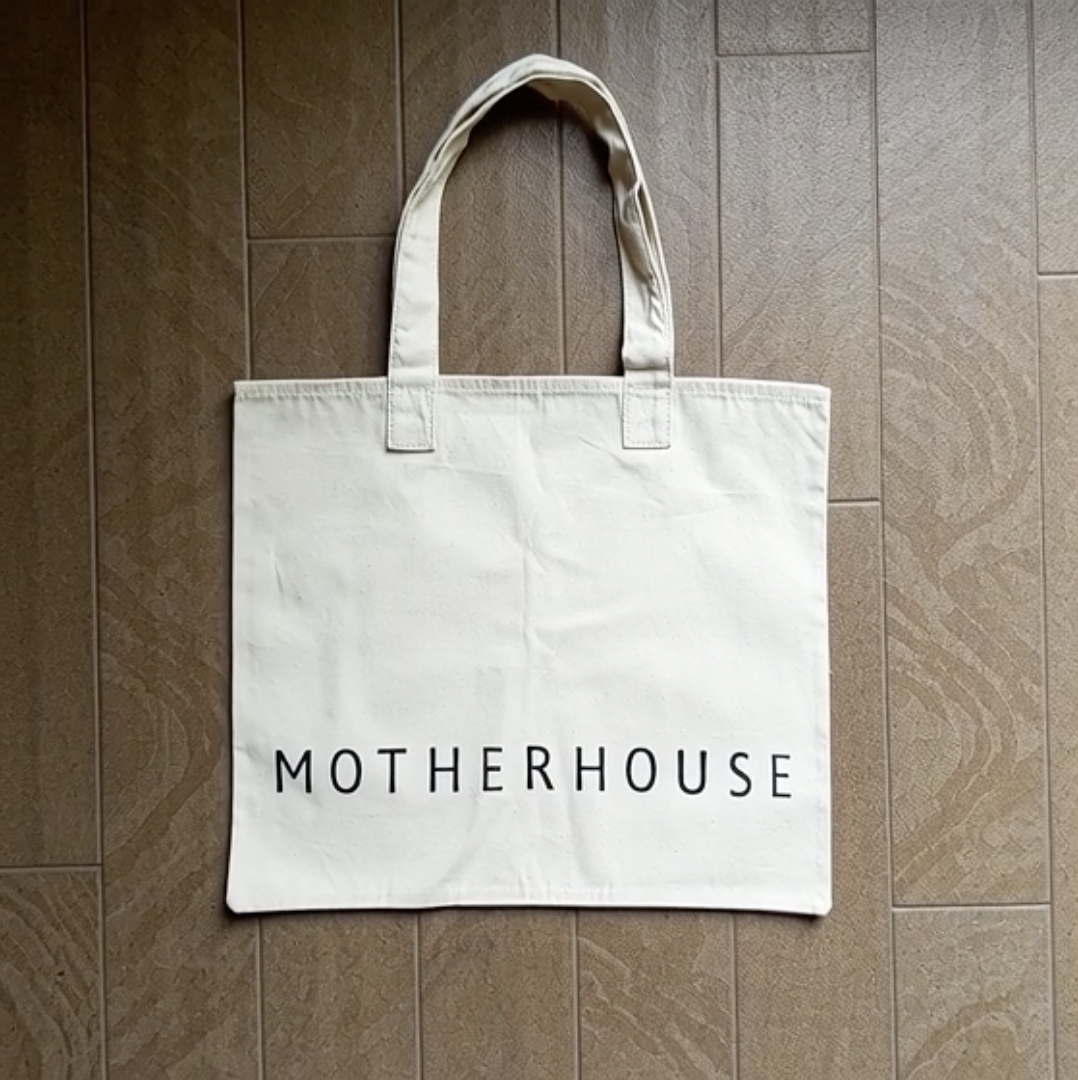
Motherhouse presents itself as a rare success story in ethical fashion. A young Japanese go-getter goes to Bangladesh, sees exploitation first-hand and builds a company that claims to pay better wages, offer safer conditions and restore dignity to “artisans,” who manufacture bags and jewelry to be sold in Tokyo, Taipei and Singapore.
After almost two decades in business, every claim Motherhouse makes about wages, benefits and working conditions still rests entirely on the company’s own word. No union, NGO, audit firm or certification body has published independent data that confirms or contradicts those promises. At the same time, academic and media coverage has repeatedly cited Motherhouse as a model of “social enterprise,” often by recycling the company’s figures and language.
This project reconstructs the Motherhouse saga chronologically and then places it inside the development architecture described by scholars Michael Barnett and Martha Finnemore, Alexander Cooley and James Ron, William Easterly, Bill Drayton and Amartya Sen. The aim is not to declare any company or founder guilty of wrongdoing, but to show what it reveals about how small “ethical” brands operate in sectors shaped by low wages, weak enforcement and external scrutiny.
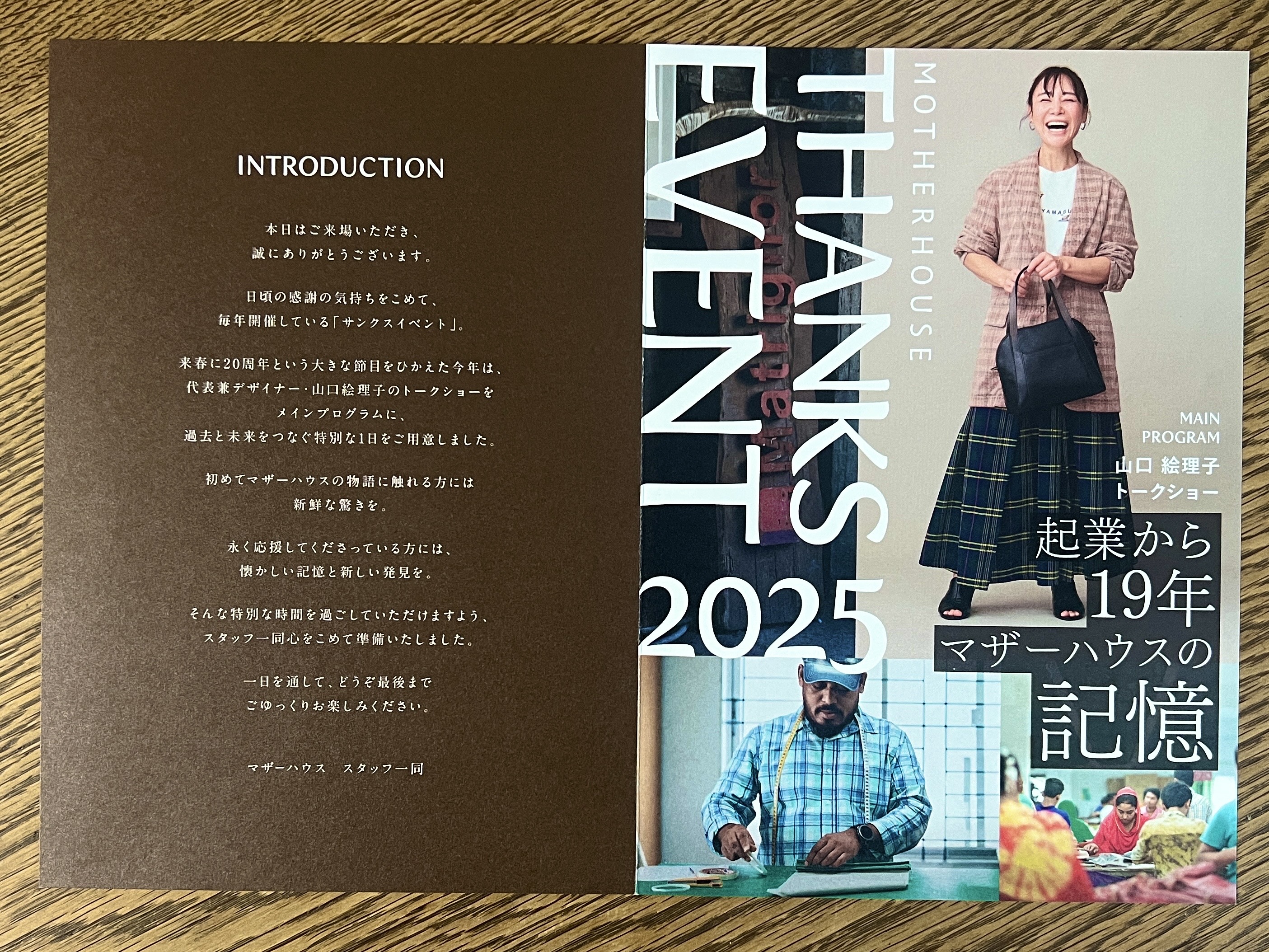
Eriko Yamaguchi has a sort of biography development agencies love to showcase. Born in 1981 in Saitama, Japan, she studied policy management at the elite Keio University, interned in Washington D.C. at the Inter-American Development Bank examining poverty programs in Latin America before deciding that policy memos were too far away from the people they affected (Keio University Alumni Office 2010). The highflyer then moved to Bangladesh to pursue a master’s degree at BRAC University. She became the school’s first foreign graduate student in development studies in 2004.
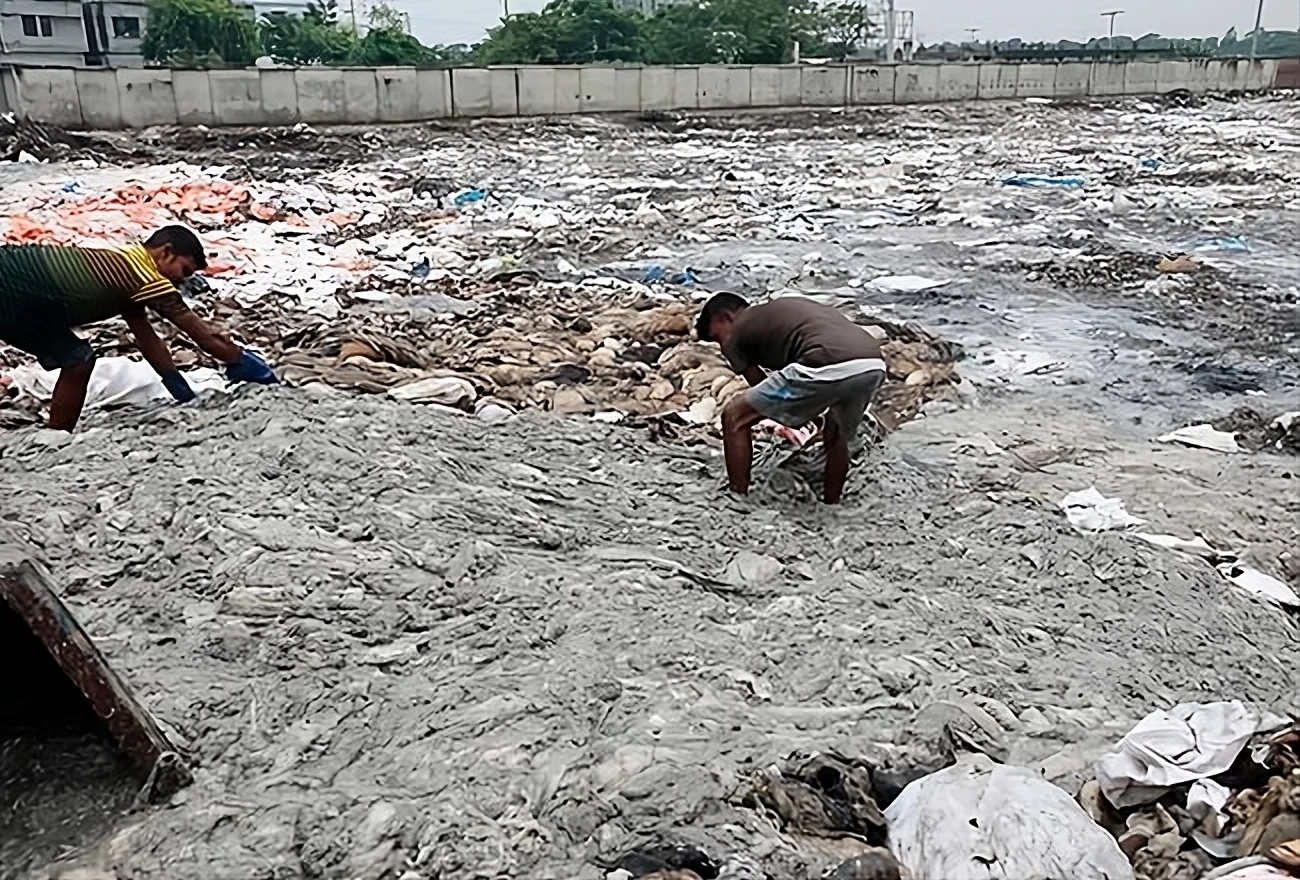
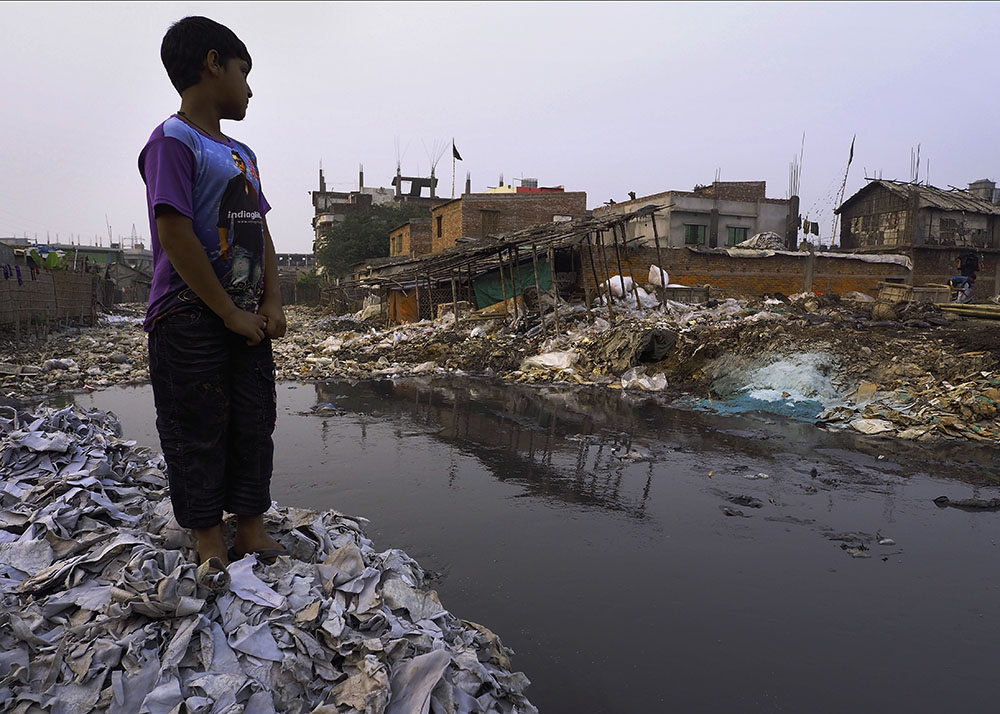
While visiting Dhaka’s jute workshops, leather factories and tanneries, she found wages to barely cover basic necessities. These weren’t flagship export factories that international buyers, say H&M, highlight in corporate social responsibility reports, but modest spaces supplying components to the local economy. Accounts from Yamaguchi and from researcher Tomoko Arai thesis describe low wages, long hours, limited safety equipment and physically demanding and hazardous labor (Arai 2013). To date, these descriptions do not conflict with Bangladesh’s industrial conditions at present.
Somewhere in that circuit, she narrowed her focus to jute. Jute is a traditional Bangladeshi export fiber more often associated with commodity sacks than with fashion. Farmers, mill workers and traders understood its properties well. Japanese department stores did not. The idea that runs through Yamaguchi is straightforward: take a low-status material, combine it with leather and cotton, refine the design and sell it as an object of ethical luxury to consumers willing to pay for “feel good,” aesthetics.
In 2006, two years in Bangladesh, Yamaguchi returned to Japan with about 160 handmade prototypes in her luggage and incorporated Motherhouse Co., Ltd. in Tokyo as a kabushiki kaisha, a standard privately held stock company (Arai 2013). Rather than from development agencies or NGOs, early financing came from private investors, including a fellow alumna and Goldman Sachs economist. That legal and financial choice is critical in a story of social enterprise. As Motherhouse was neither a cooperative nor a non-profit, it had no built-in obligation to publish wage tables, social-impact reports or ownership structures beyond what Japanese corporate law requires for private firms.
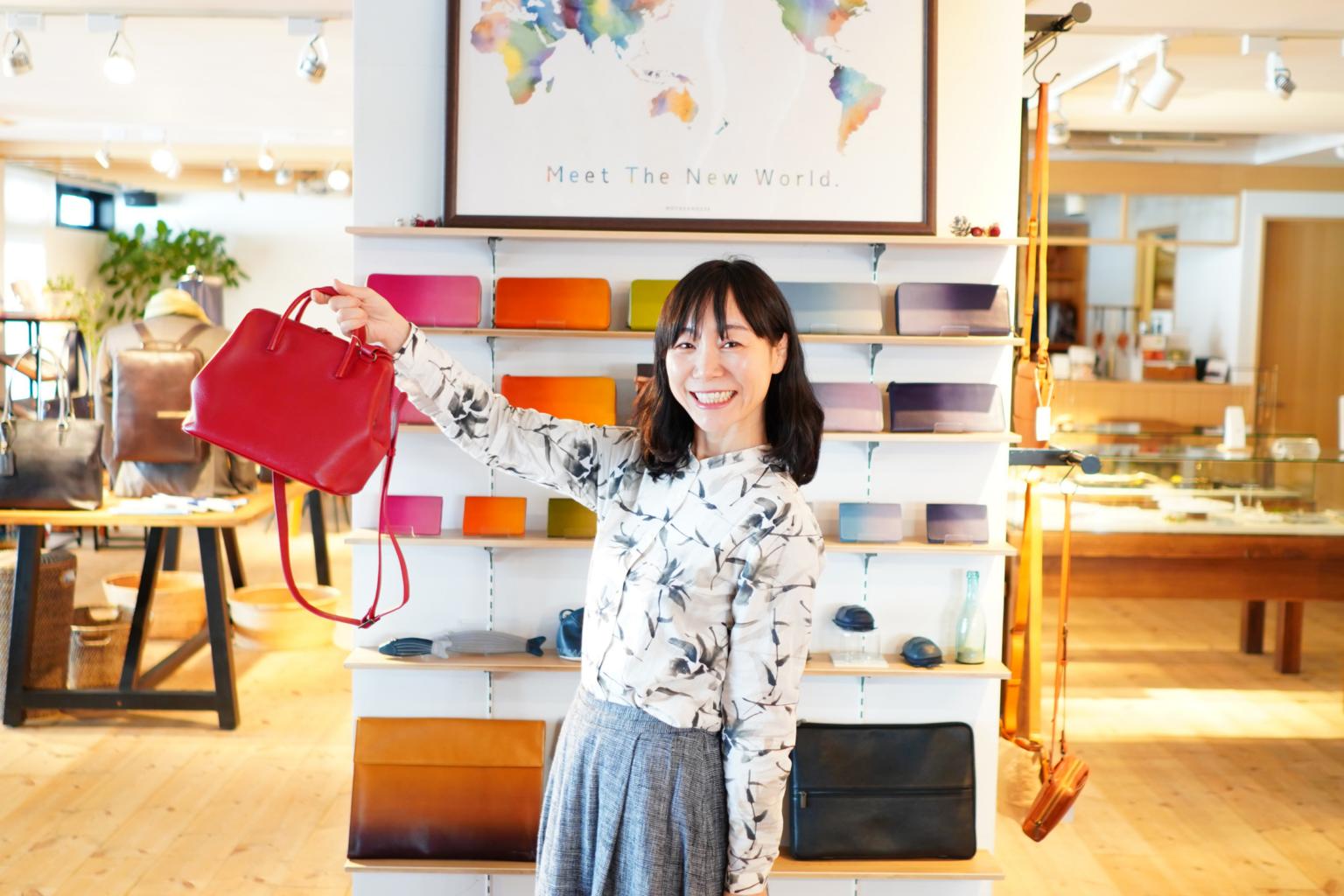
The company’s first retail foothold came in Tokyo, with a shop in a polished commercial district rather than a low-rent backstreet. From the beginning, Motherhouse was positioned as a design-forward brand rather than a charity shop. Bags were marketed material and labor focused. Tags would describe Bangladeshi jute and stories about artisans in lieu of anonymous mass production.
Motherhouse would later expand their SKUs to include leather, jewelry and apparel sourced from Indian khadi. It found its way into Ginza boutiques and placements in major department stores. Post-pandemic, Motherhouse expanded to 40 stores in Japan and internationally into Taiwan, Hong Kong and Singapore, for a 50+ global total (Motherhouse 2025).
Motherhouse operates workshops in six South and Southeast Asian nations: Bangladesh, Nepal, India, Indonesia, Sri Lanka and Myanmar. Bangladesh continues forth as the center for leather and jute production.
The company also runs a “Social Point Card” system, which converts part of customer purchases into donations to education and disaster-relief projects in Bangladesh and Nepal (Motherhouse 2025). These initiatives are marketed as evidence of a long-term humanitarian commitment.
Company statements and secondary profiles give two key employment figures: “over 200 artisans” in early years and “more than 380 artisans” by the mid-2020s, with roughly 340 in Bangladesh and about 40 in Nepal (Arai 2013 and Motherhouse 2025).
No document clarifies which workers are counted as “artisans,” or distinguishes between direct employees or subcontracted labor.